
Long-Term Investments – The Sure Path to Financial Independence
Chapter 3. How to Build a Long-Term Investment Portfolio
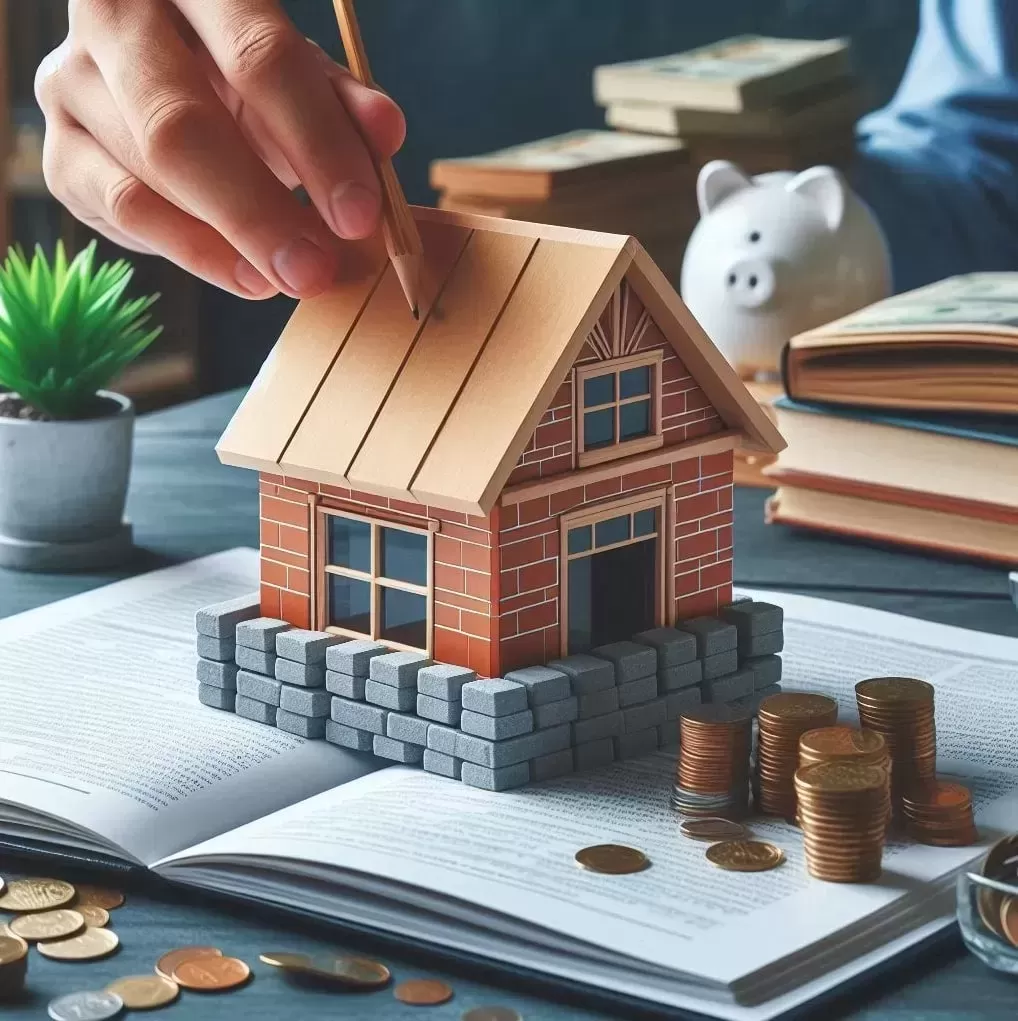
Building an investment portfolio is like building a house. You don’t start with the roof—you need a solid foundation first. It’s about balance, protection, and adaptability. The goal isn’t just to make money, but to do it in a way that gives you peace of mind and financial stability.
3.1 Set Your Goals
Before investing a single dollar, ask yourself: “Why am I investing?”
-
For retirement?
-
For my children’s education?
-
To buy a house in 15 years?
-
Just so my money isn’t sitting idle?
Setting your goal helps you:
-
Choose the investment duration (how long you’ll leave your money invested);
-
Pick the right asset types;
-
Manage your expectations (no, you won’t become a millionaire in 3 years).
3.2 Evaluate Your Risk Profile
Not all investors are the same. Some sleep well when the market drops 10%, others check their portfolio at 3 a.m. To build your portfolio right, know what type of investor you are:
-
Conservative: You seek safety and accept smaller returns.
-
Moderate: You want a balance between risk and reward.
-
Aggressive: You’re willing to take bigger risks for higher returns.
3.3 Diversify — Don’t Put All Your Eggs in One Basket
Diversification is the golden rule of investing. This means having several types of assets so if one performs poorly, others balance it out.
A simple diversification model by profile:
| Profile | Stocks/ETFs | Bonds/Government Securities | Real Estate | Cash (Emergency Fund) |
|---|---|---|---|---|
| Conservative | 30% | 50% | 10% | 10% |
| Moderate | 50% | 30% | 10% | 10% |
| Aggressive | 70% | 10% | 10% | 10% |
Note: Cash here means emergency funds — money you keep available and don’t invest for unexpected expenses.
3.4 Regular Investments – “Little by Little, But Consistently”
You don’t need tens of thousands of dollars to start. The important thing is to start and keep adding consistently. This strategy is called DCA — Dollar Cost Averaging (or monthly steady investments).
Example:
Investing $100 per month in an ETF with an average 8% annual return over 20 years can grow to over $22,900 — and you only invested $24,000. The rest is compound magic.
3.5 Periodic Rebalancing
Your portfolio isn’t something you set once and forget forever. Once or twice a year, it’s good to rebalance — that means checking if your asset allocation matches your target.
Example:
If you wanted 60% stocks and 40% bonds but stocks grew to 75%, maybe it’s time to sell some stocks and buy bonds again.
3.6 Have Patience and Don’t Panic
No one can predict the market perfectly. There will be drops, crises, scary news. Those who stay calm and don’t sell at the first financial shock... are the ones who win.
Tips:
-
Don’t check your investments every day.
-
Don’t sell impulsively.
-
Remember your goal: long term!
Conclusion
A well-built investment portfolio isn’t about luck; it’s about planning, discipline, and a clear strategy. Invest to improve your life, not to become a slave to charts. If you make it a habit to invest regularly and diversify, your financial future will be more stable, secure, and peaceful.